Health / Fitness · Product Strategy · Dec 2023 to May 2024
ZOZOFIT × Apple Health
The brief was to connect Apple Health and the KPI was engagement. App Store reviews showed people wanted a different answer, whether their habits explained what the scans were showing, so I built for that.
- Role
- Product Manager · Product Designer
- Platform
- iOS · B2C
- Market
- USA · ages 20 to 50 · fitness and health
- Timeline
- Dec 2023 to May 2024
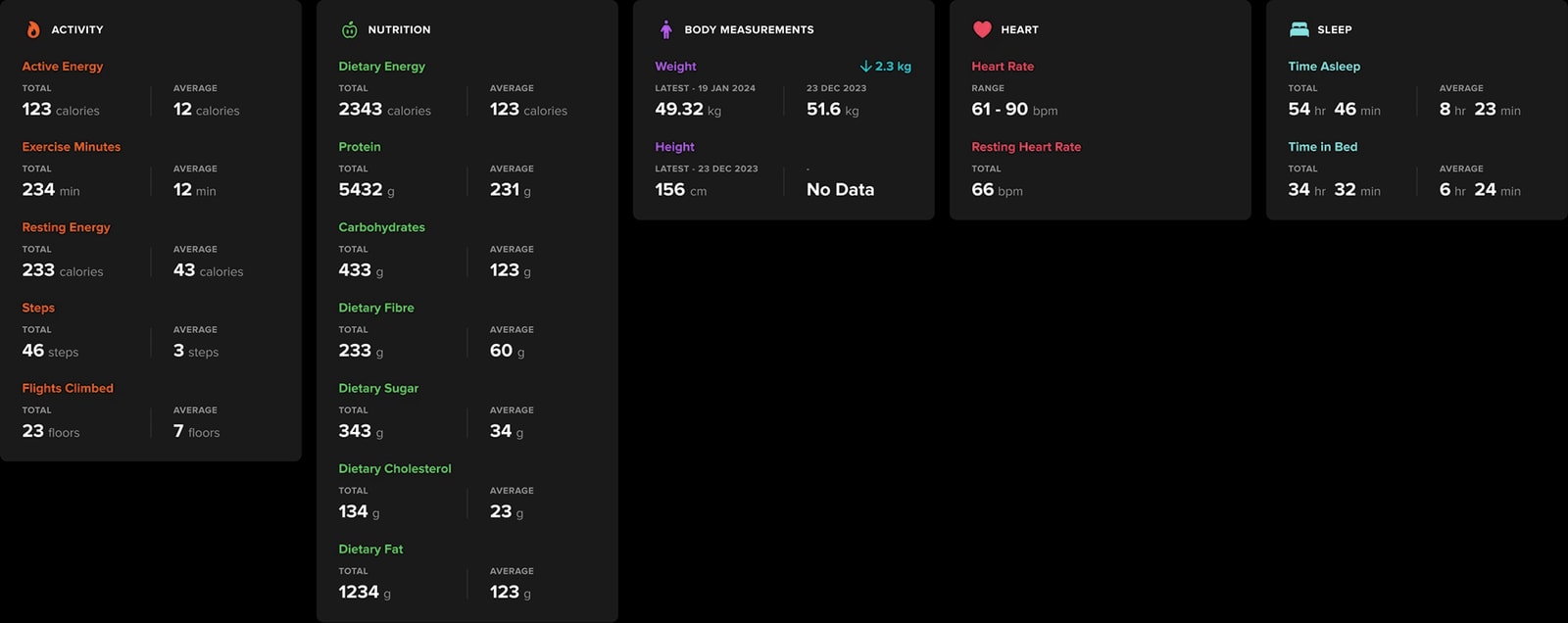
The brief, and what was missing from it
ZOZOFIT is a 3D body scanning app you use at home. You scan in the ZOZOSUIT or in a NOSUIT setting, and it returns measurements for more than twelve locations on the body. Enough to track change over time and calculate body fat percentage.
Apple Health was one of several features planned from mid 2023, and the business case for it was engagement. We knew we could surface the data. I could not get anyone, including myself, to say why a user would care that it was there.
How might we provide insight and value by connecting Apple Health data with ZOZOFIT?
Where I went to answer it
I owned this end to end, so the first job was working out what value meant here rather than assuming it. I ran interviews and competitor analysis, then went through customer service feedback and the App Store reviews we already had.
The reviews turned out to be the most useful thing available, because people were describing what they were trying to work out, in their own words, without being asked.
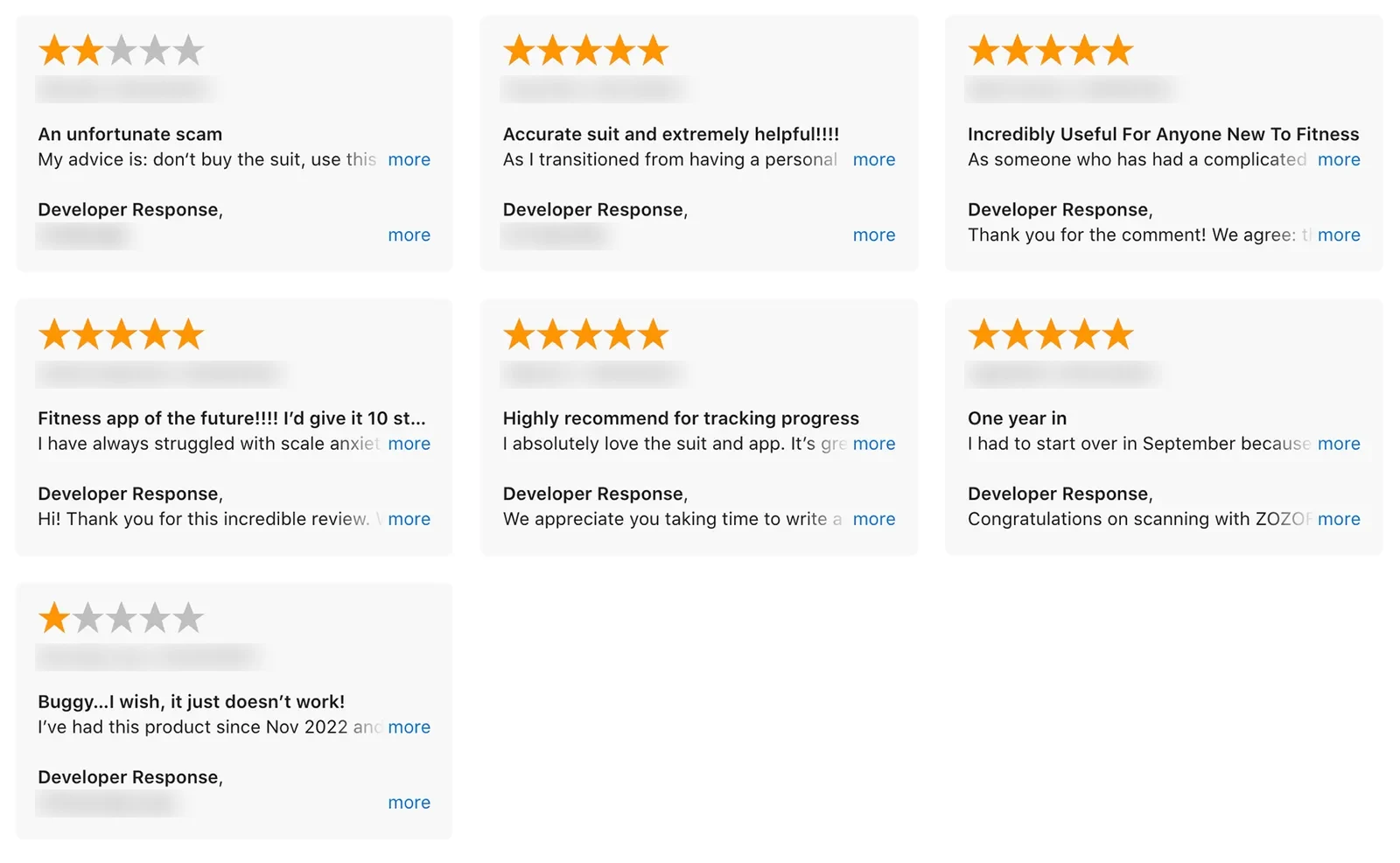
They didn't want health data shown beside their scans. They wanted to know whether it was the reason their body was changing.
The decision that came out of it
Engagement and causation are different products. Engagement wants the data visible. Causation wants it attached to a period of time you can point at. I built for causation, and that made one structural mismatch the centre of the work.
Apple Health thinks in days, weeks and months. ZOZOFIT thinks in scans. So I added Scan as a fourth interval alongside D, W and M, which is what lets the health data answer a question about the body instead of sitting next to it.
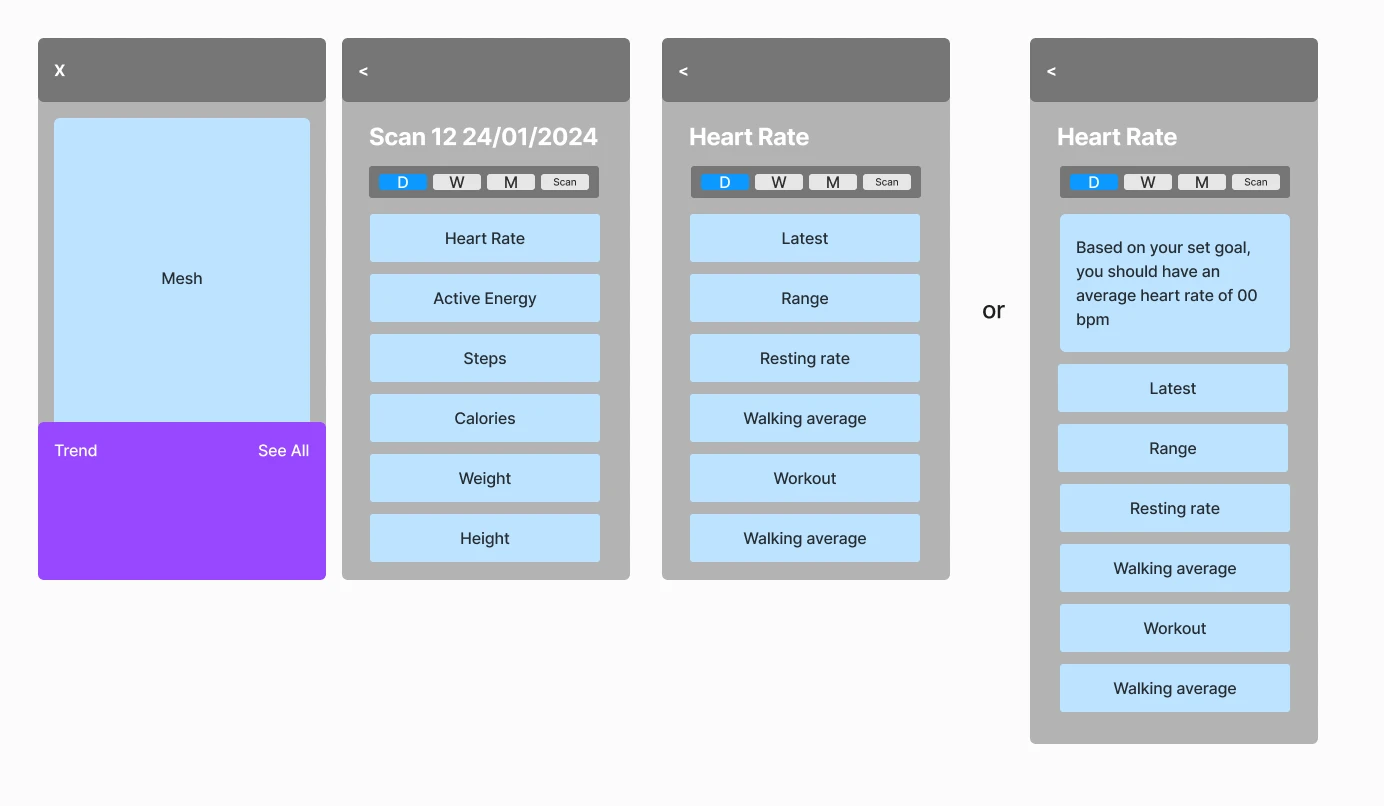
What moves, and where
- Health permissions
- iOS asks the user to approve each kind of health data separately, and they can approve some and refuse others. An app never knows what it will be given until it asks.
- Interval
- The period between two body scans. It is the unit this feature reasons in, rather than a day or a week.
- Empty state
- What a screen shows when the data it was built for is not there. Designing these well is most of the work in any integration.
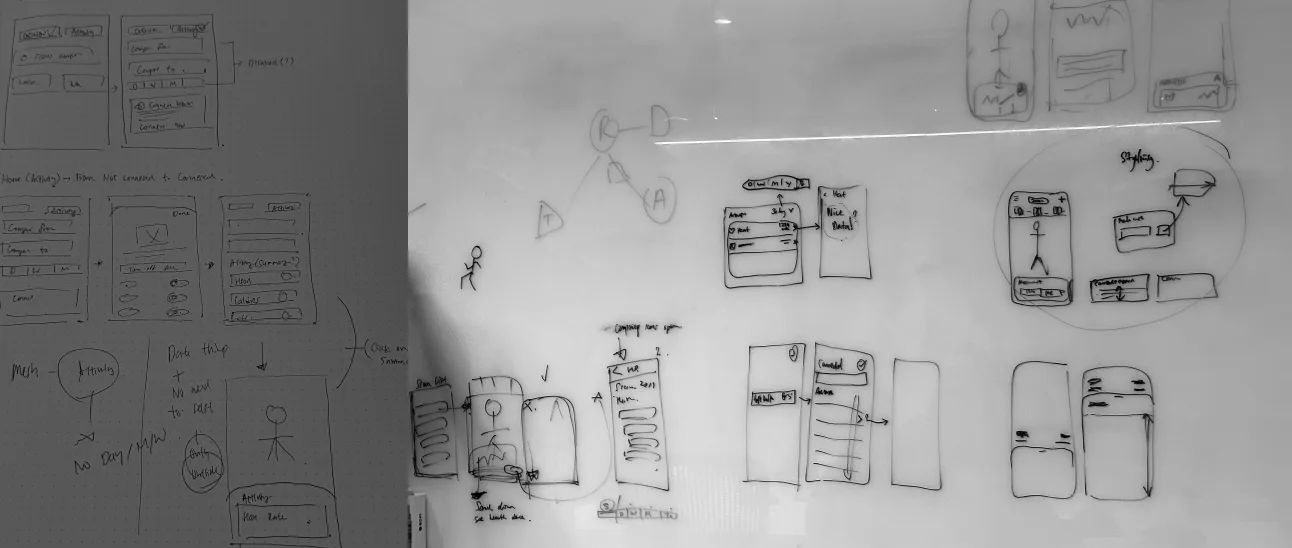

What I had to design for
- 01
Five user states
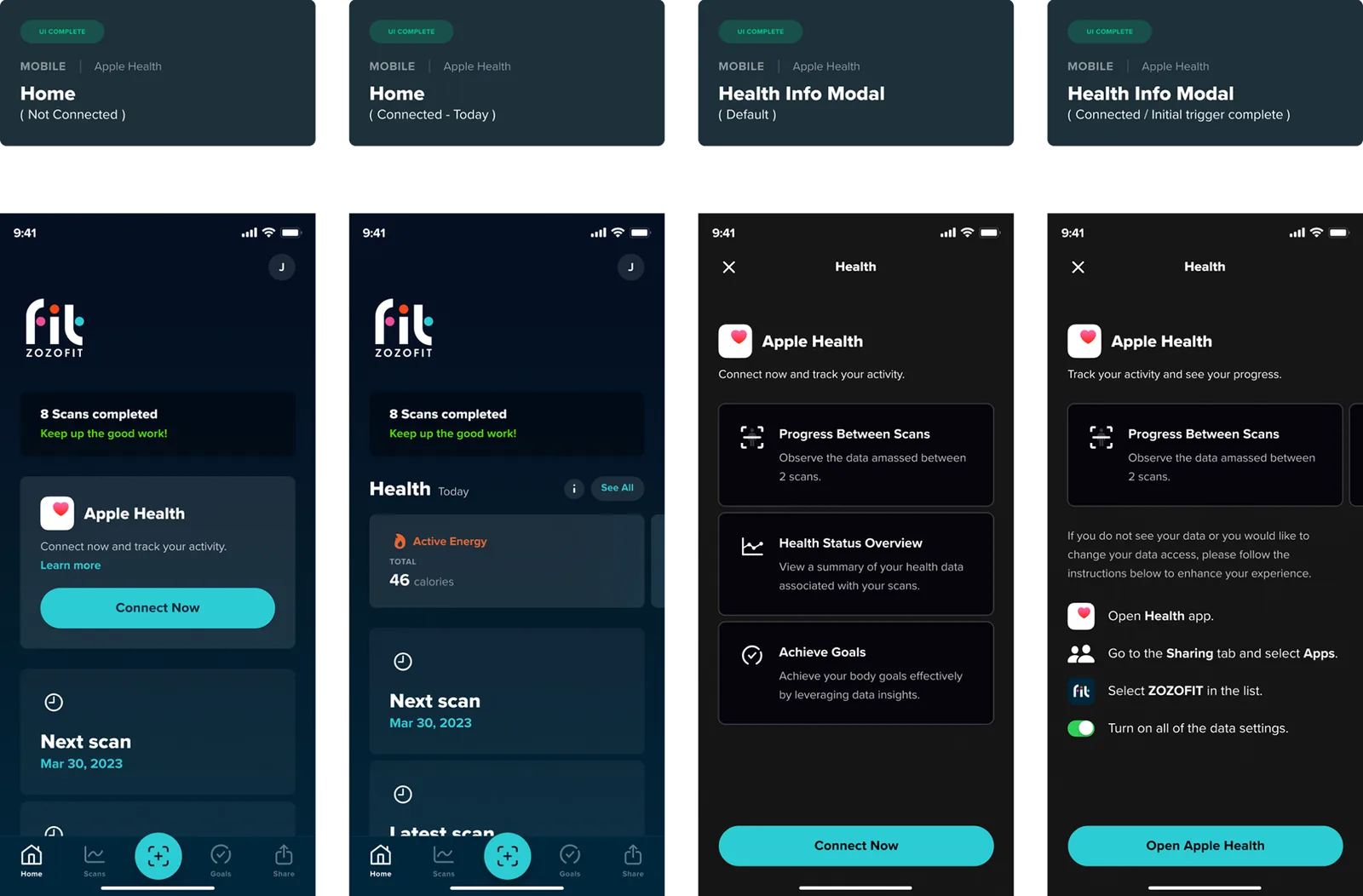
A new user creating an account, plus four existing user entry points with and without Health Kit connected.
- 02
Eight technical scenarios
No Apple Health data, no ZOZOFIT data, no Apple Watch, partial permissions, a dismissed iOS modal, empty data states, comparison methods, and sleep data behaving differently from everything else.
What I said I would measure, up front
- 01
5 to 10% increase in active users
Within a three month window.
- 02
Usage at least twice monthly
Set against the behaviour, not against a daily app benchmark. Body scanning is not a daily habit and I did not want a target that pretended otherwise.
- 03
5 to 10% increase in retention
Following the first scan or first use of the feature.
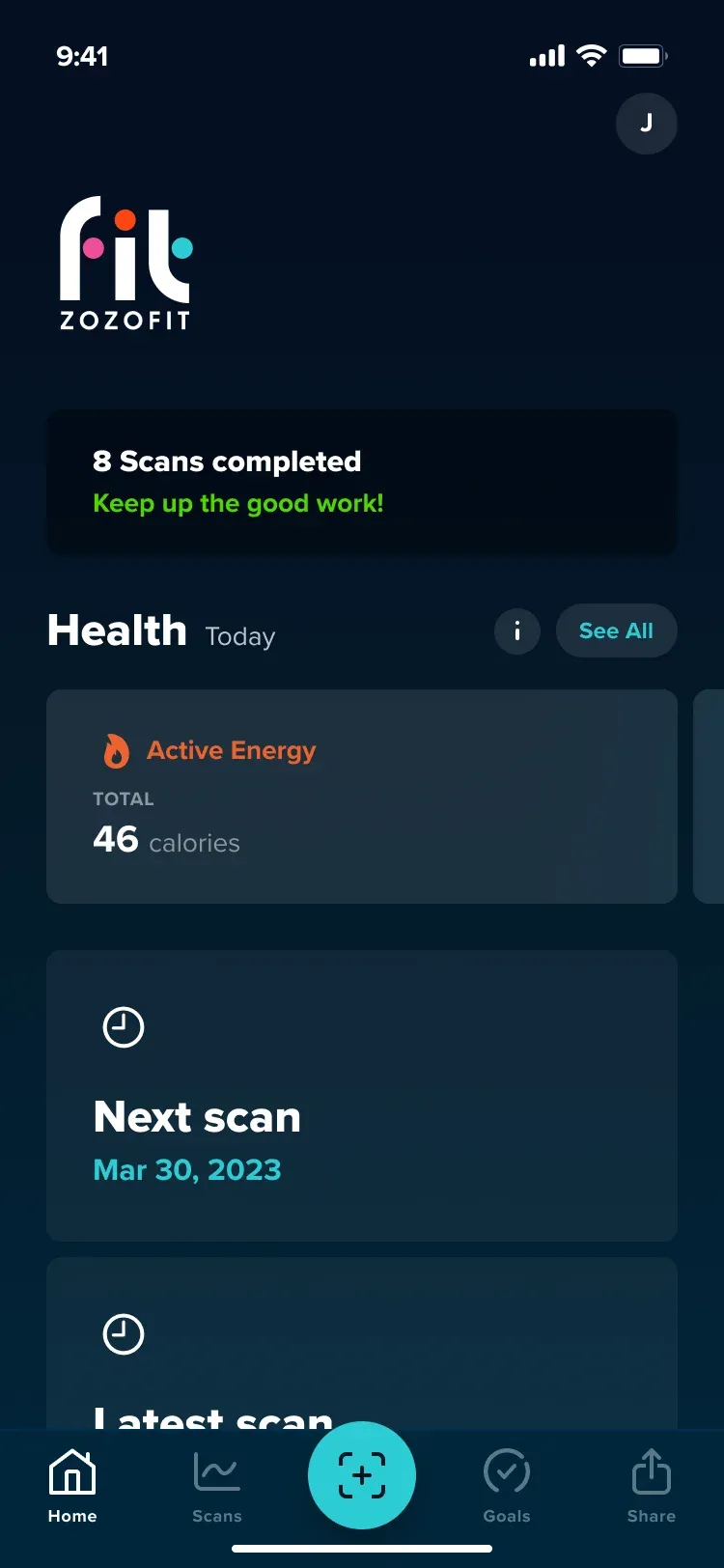
01Health surfaced on home
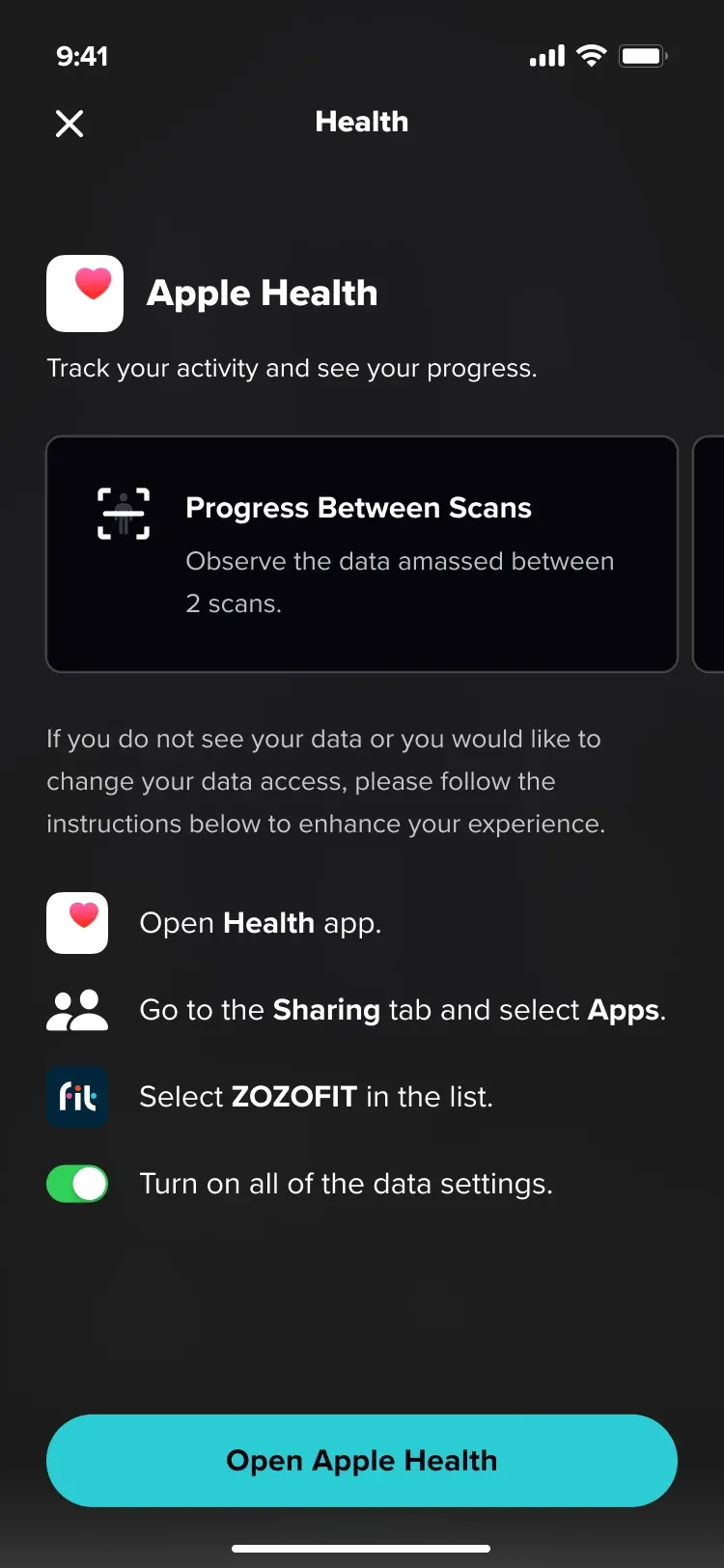
02Connect Apple Health
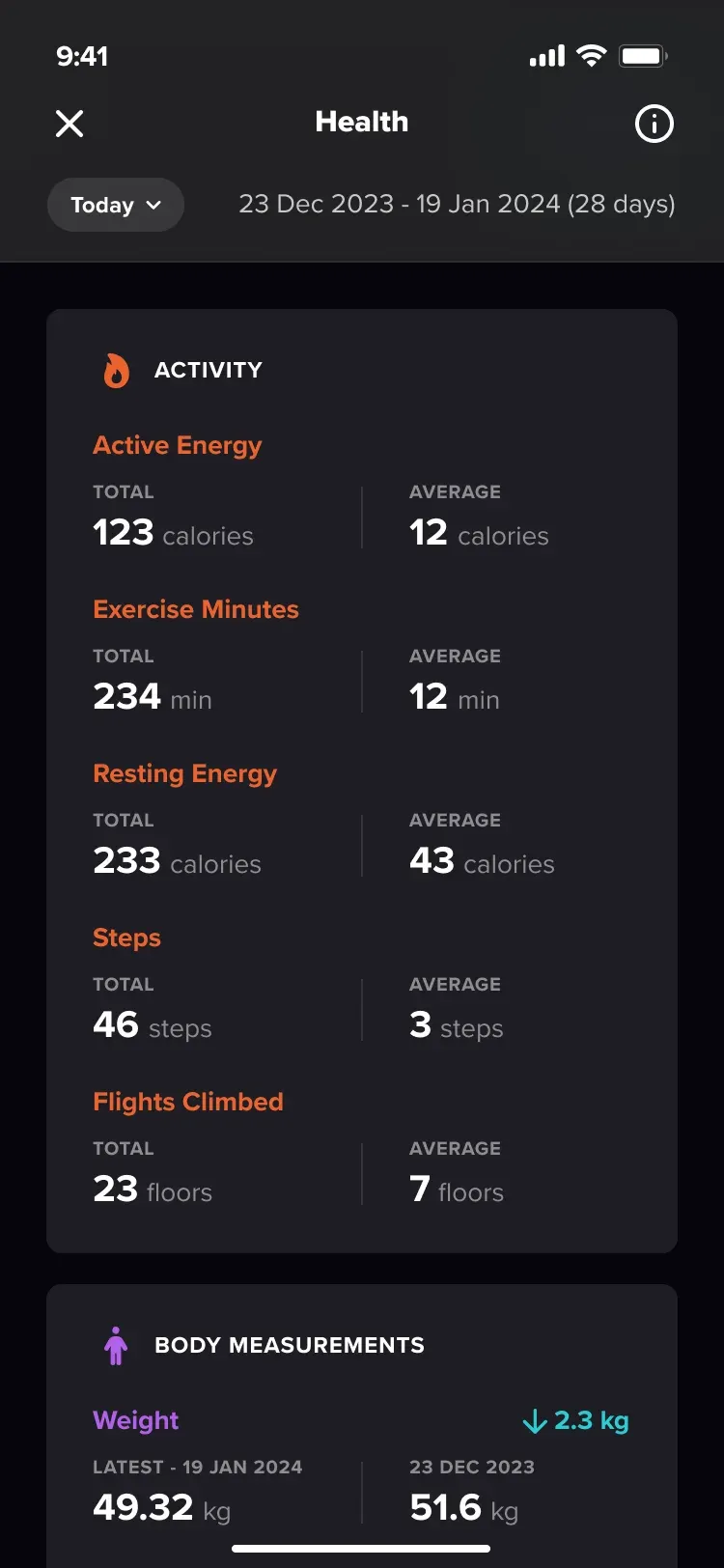
03Activity for the interval
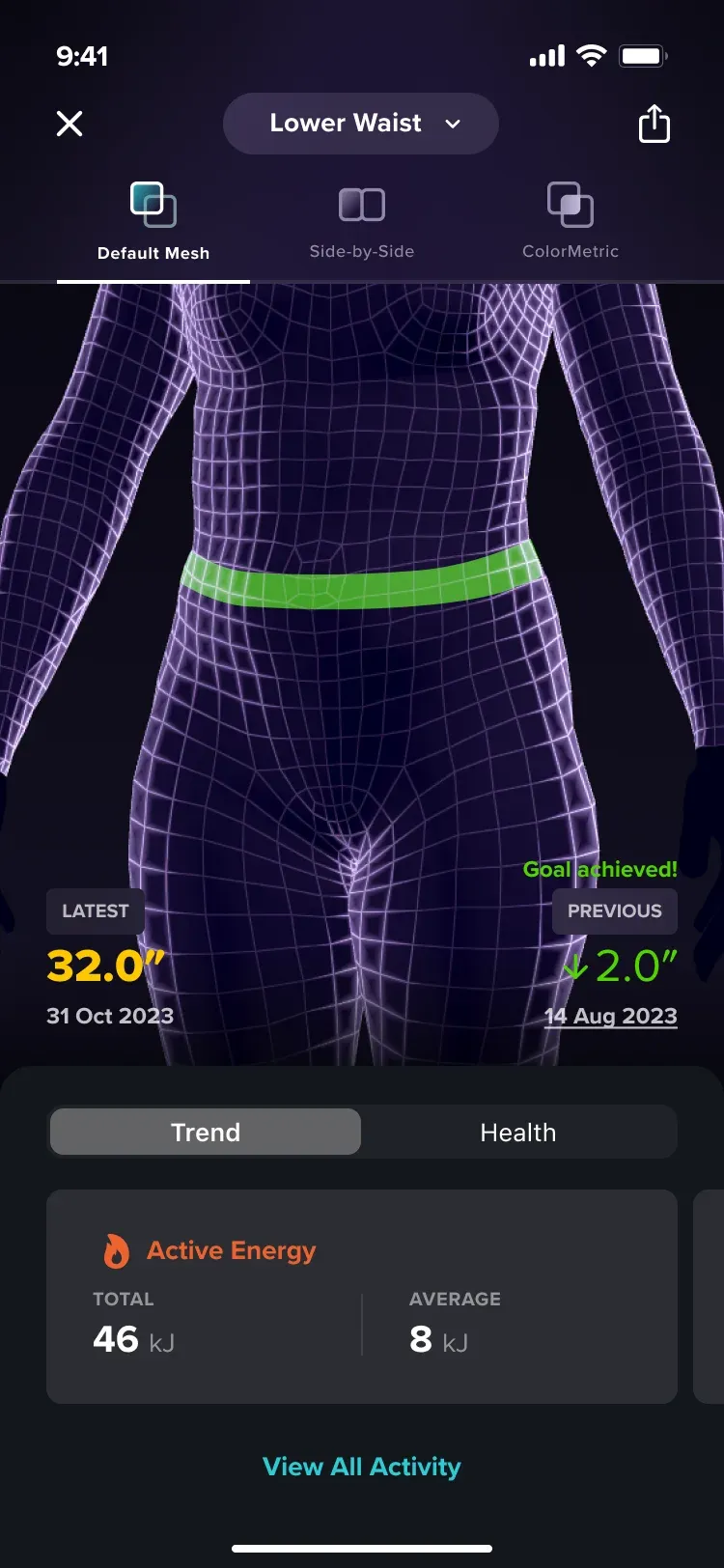
04Read against the scan
Outcome
Launched on iOS. The integration drove a 10% increase in user acquisition and retention within three months, against the targets I had set at the outset.